
Eastern Orthodox Christmas 2026 is the annual celebration of Christ’s birth according to the Julian calendar, observed on January 7th by many Orthodox Christian communities. This holiday is marked by unique religious ceremonies, festive meals, and cultural customs that differ from the Western Christmas traditions. Understanding Eastern Orthodox Christmas 2026 helps you appreciate the rich heritage and diverse ways people around the world honor this sacred day. Keep reading to explore the customs, dates, and significance of this special holiday.
Orthodox Christmas 2026 – History, Significance, Rituals Why Is It …
Orthodox Christmas 2026: Commemorates the birth of Jesus Christ through ancient traditions, fasting, prayer, and midnight liturgies, rooted in the Julian calendar followed by many Eastern Orthodox churches
Orthodox Christmas in 2026 will be observed on Tuesday, January 7, by millions of Christians across Eastern Europe, Africa, and the Middle East. While much of the world celebrates Christmas on December 25, Orthodox Christians follow a different liturgical calendar, making their celebration fall 13 days later. Rooted in ancient tradition, Orthodox Christmas is deeply spiritual, emphasizing fasting, prayer, family, and the Nativity of Jesus Christ.

Overview
Orthodox Christmas is a special and significant occasion for followers of the Eastern Orthodox faith, and it is observed on January 7. Orthodox Christians maintain the old Julian calendar, which causes a 13-day difference between their Christmas and the Gregorian Christmas celebrated by the majority of the globe, even though most people celebrate Christmas on December 25[1]. The remarkable rituals and traditions that provide Orthodox Christians a unique and meaningful celebration of Christmas will be examined in this essay.
Emperor Constantine established the Julian calendar in 325 AD, and it is still in use by the Eastern Orthodox Church[1]. Because of this calendar’s 13-day delay over the Gregorian calendar, Orthodox Christians celebrate Christmas differently from other Christians[1].

More in Local News
The Nativity Icon was on display during the Eve of the Nativity of Christ services at St. John’s Russian Orthodox Cathedral in Mayfield on Tuesday. Orthodox Christmas is celebrated on Jan. 7 by many Eastern Orthodox Christians following the Julian calendar.

When is Orthodox Christmas?
The Orthodox Church recognises January 7th as the day that Jesus was born. Elsewhere in the world, Christmas is celebrated on December 25th.
Orthodox Christians are estimated to number between 250 and 300 million people. The largest number of Orthodox Christians live in eastern and southeastern Europe, including Russia and Ukraine. There are also significant Orthodox Christian populations in the Middle East and in Ethiopia.
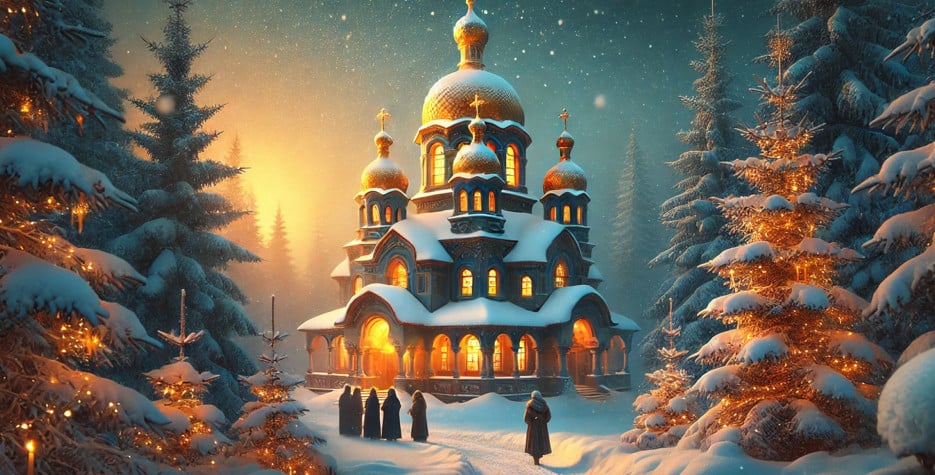
Orthodox Christmas 2025 And 2026 – NAPJLY
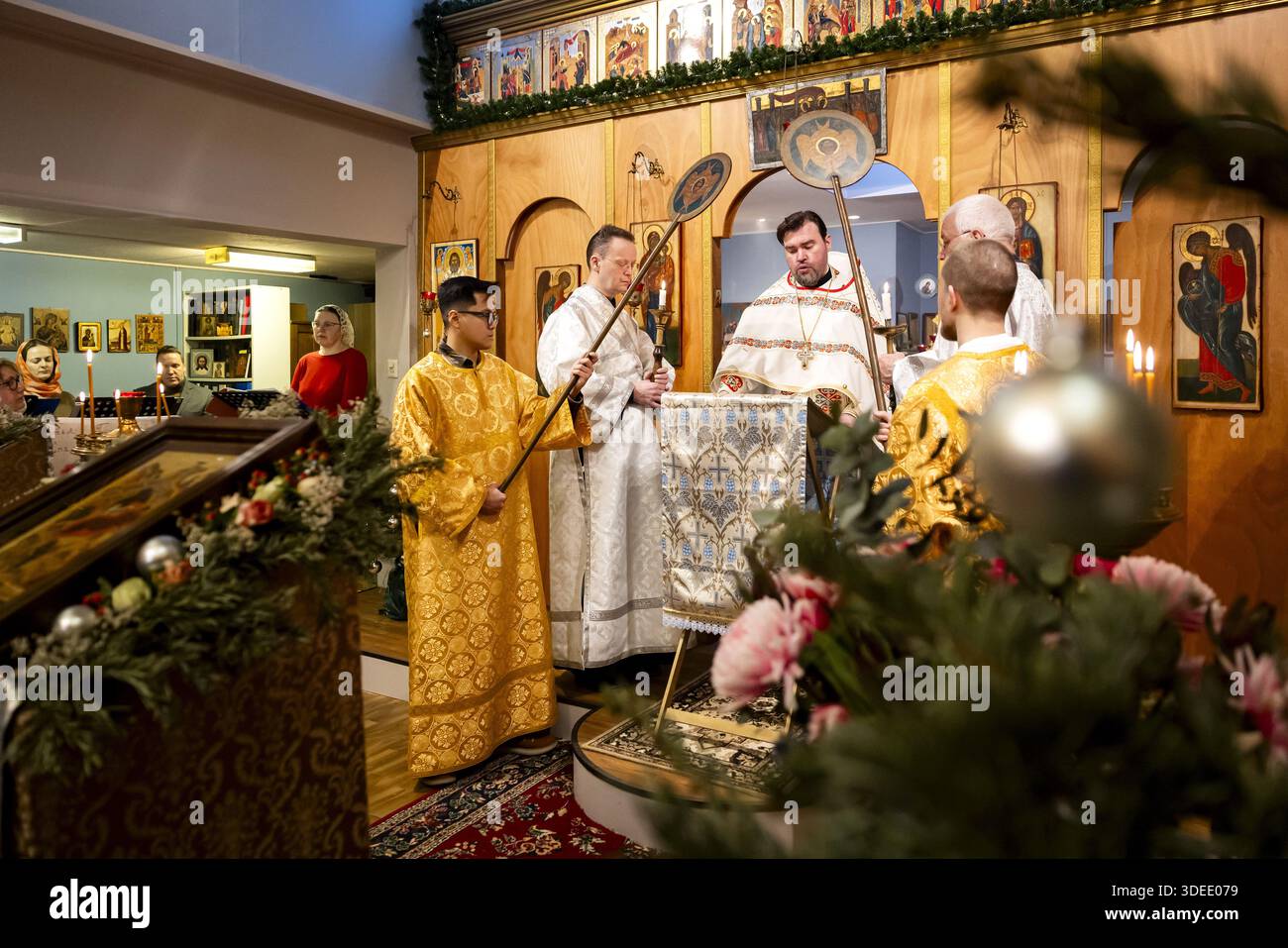
ARNHEM – A Christmas celebration in the Russian Orthodox Church Abroad …
Frequently Asked Questions
When is Eastern Orthodox Christmas 2026 celebrated?
Eastern Orthodox Christmas 2026 is observed on January 7th according to the Gregorian calendar, which corresponds to December 25th on the Julian calendar used by many Orthodox churches.
Why do Eastern Orthodox Christians celebrate Christmas on a different date?
The difference in celebration dates arises because many Eastern Orthodox churches follow the Julian calendar, which is currently 13 days behind the Gregorian calendar used in the West.
What are some traditional customs during Eastern Orthodox Christmas 2026?
Traditional customs include attending a midnight church service, preparing special festive meals, singing carols, and observing strict fasting periods before the holiday.
How do Eastern Orthodox Christmas celebrations differ from Western ones?
Eastern Orthodox Christmas focuses more on religious observance with extended church services and fasting, whereas Western celebrations often emphasize gift-giving and commercial festivities on December 25th.
Can non-Orthodox people participate in Eastern Orthodox Christmas 2026 festivities?
Yes, many communities welcome visitors to attend services and share in cultural traditions, making it a wonderful opportunity to experience a rich and meaningful holiday celebration.